

Newsletter6 min read
The Startup Fee
A CEO raised price 30% and told his customer that leaving would cost more than staying. It worked as a negotiating line because it was an honest description of the cost to serve.
Explore articles, insights, and get an insight into the way I think. You’ll discover some of the sauce I keep to myself.
Dive into my articles and insights written just for you.
A CEO raised price 30% and told his customer that leaving would cost more than staying. It worked as a negotiating line because it was an honest description of the cost to serve.

Roughly 200 businesses crossed my desk between 2023 and 2026. Two lines in the financials decided more of those looks than any management presentation: gross margin, and whether the revenue has to be won again every year.

A pharmaceutical packaging plant in crisis had a wall of charts, a daily standup in the aisle, and schedule attainment at the top of the board. The number that got it back into service had been stripped out of its own OEE as uncontrollable.

My father was a machinist. When the line went down, a kid rode along to drop off the part. The plant is gone now, 675 jobs with it, but the question I learned in that truck is still on the list every time I walk a plant.

The first week in my first plant as GM taught me where the real authority sits in an operation. I have used the same read on every plant since.

I interviewed the author of the book on speed in March 2025. His data says 95% of companies stall and two thirds of those never get back to growth. The stall is a decision, and somebody is always making it. Inside a hold, that somebody had better be the sponsor.

Between the LOI and the closing table sit 90 days that belong to nobody. Almost half the deals that fail there never officially die. They just stop moving.

Tom Brady played the 28-3 comeback off one laminated page, about 120 calls sorted by situation with the Falcons' tendencies printed beside them. I still get told a customer service desk has too many variables for standard work.

She never attended a meeting. She never sent an email. She read every draft, and the deal was never going to close until she was ready to sign.

The GM had run the company for 9 years while the owner fished. Both of them knew it. Only one of them had thought about what that meant for a sale.

EBITDA has no line for the 22-year-old press that makes 40% of the parts. Owner earnings do. The gap between those two numbers has ended more deals than fraud ever will.

The Supreme Court erased the biggest tariff regime in modern history, $142B may flow back to the companies that paid it, and most small manufacturers still cannot tell you what their landed costs will be next quarter. Buyers and sellers are both underwriting the fog of war

Rollover equity is the most misunderstood line in a term sheet. Done right, the smaller check can outgrow the bigger one. Done wrong, it is a donation.

Every private company P&L tells two stories. One is about the business. The other is about the life the business paid for. My COO once found $2M of fishing poles.

Every founder deal has two investment committees. One meets in a conference room. The other meets over dinner, and it holds the veto.

Two weeks before close, the trailing twelve comes back softer than the one everybody signed against. The cause is almost never the market, and owners rarely see it coming because it looks like a full week's work.

The seller swore nobody knew. Then a banker hit forward, the GM read every word, and by Wednesday I was pricing a company that had stopped believing its owner.

LOI on the table, agreement in principle, a seller ready to retire. His CPA of 25 years unwound all of it in one Tuesday meeting, and from his chair the advice was sound.

Eight figures, capital at the table, clean earnings. The seller walked over a valuation somebody said out loud in 2019, and I understand why he did.

Stanford counted 190 new funds, a $16M median price, and a close rate that fell from 86% to 48%. The reasons apply to everyone in the pond.

Washington doubled the loan cap to $10 million and tightened underwriting in the same season. Both changes land on the seller's financial statements.

A 1,000-person pharmaceutical operation, 85 production lines, and EBITDA down 15% from close.

The QoE confirms the revenue was real. Whether it shows up again after you own the company lives in a file some buyers never open.
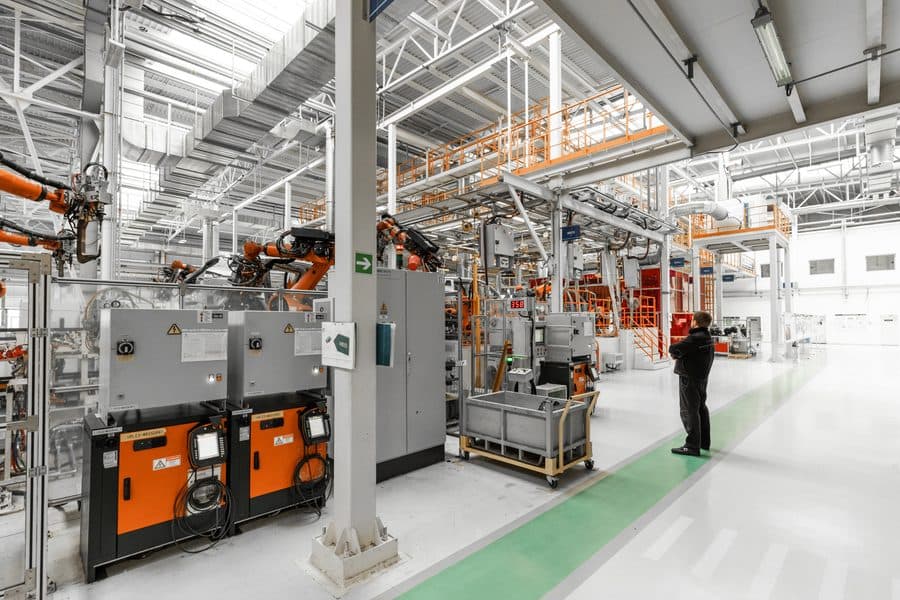
The same machines and the same people, without a dollar of capital spend.

A stalled distribution facility, a three-person team, and the tightest NDA of my career.

Arguing over the banker's adjustments concedes that his document is the reference point. The alternative takes about a week, and it wins.

Prepared documents hold whatever pose the process requires. The records a company generates for its own use cannot, and they are rarely in the data room until you ask.

Every CIM you will ever read has been massaged, and the massage is so standardized it is practically a genre. Fluency starts with respecting the craft.

Key man risk scares off more buyers than it should. What matters is which decisions and relationships actually route through the founder, and which ones just look like they do.

Concentration kills more LMM deals than any other line in the CIM. The percentage deserves less attention than the structure underneath it.

Before the data room gets my attention, the floor gets an afternoon. The routine I run on every walk-through, and the tells that are hard to stage.

There are more than 13,000 unsold companies sitting in US private equity portfolios, an eleven year line at the current exit pace. The queue was designed in on day one.

The most useful thing a present, engaged backer can install is a simple operating rhythm that frees good people to run their own areas with confidence.

The people at the floor are the ones who know what’s actually going on. Understand that first.

A good business never lacks for good ideas. What management teams often lack is the focus to choose among them and a partner willing to back those choices.

When we back a business, we get into the operation with the team and do the real work. That is where value is made, and it is what a founder should want from whoever comes next.

The rise of AI is just making manufacturing facilities much more needed.

“Only the ruthless will survive”... yea it’s true. But don’t be scared, here’s why.

I spent years inside institutional private equity before kicking off SGC. The trends making this the industry's hardest year in a decade are new, structural, and built into the fund model itself.

I have hired the top consulting firms to work inside companies I served as operating partner for, and I have watched what they actually deliver. Most of what you pay for, a fundless sponsor can do without writing the check.

A banker sent me a business growing 80 percent a year and I said no in two sentences. The reason had nothing to do with the company.
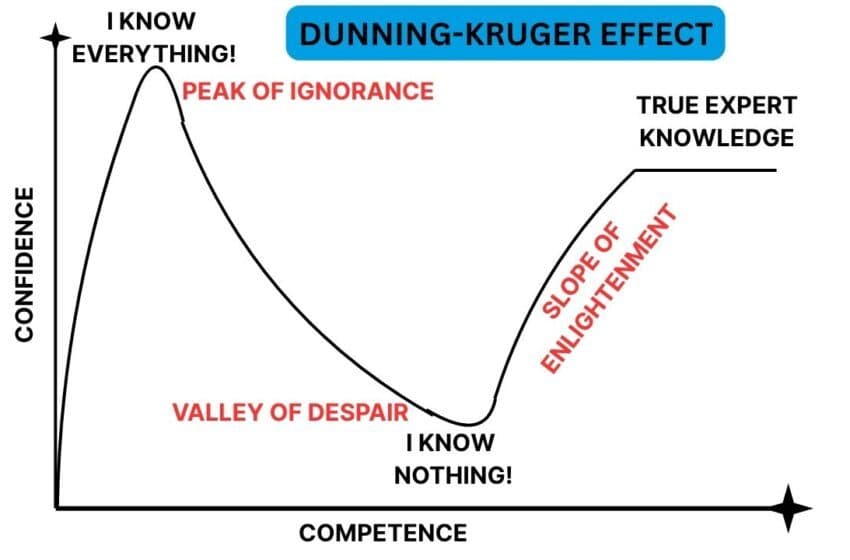
You’ll know the influencer I’m talking about.

A healthy business levered up to buy a competitor that was never going to fit, and the sponsor eventually handed the whole thing over for a dollar and an indemnity. It was not my deal. I was asked to the integration kickoff, gave my honest read, and was asked not to come back.

The CEO who closed the deal was right for the business you bought. Whether he is right for the business you are trying to build is a different question, and most sponsors wait too long to ask it.

My friend said you should f your mutual...?

What a pharma plant in 2017 taught me about the real cost of institutional hesitation

Six months, $200,000, and a business that was never what it appeared to be.

That’s an oxymoron... right?

One Email. Premium Value. Gone.

Boohoo, I like wired headphones, so what?