$400M check. $3.2B exit.
A 1,000-person pharmaceutical operation, 85 production lines, and EBITDA down 15% from close.
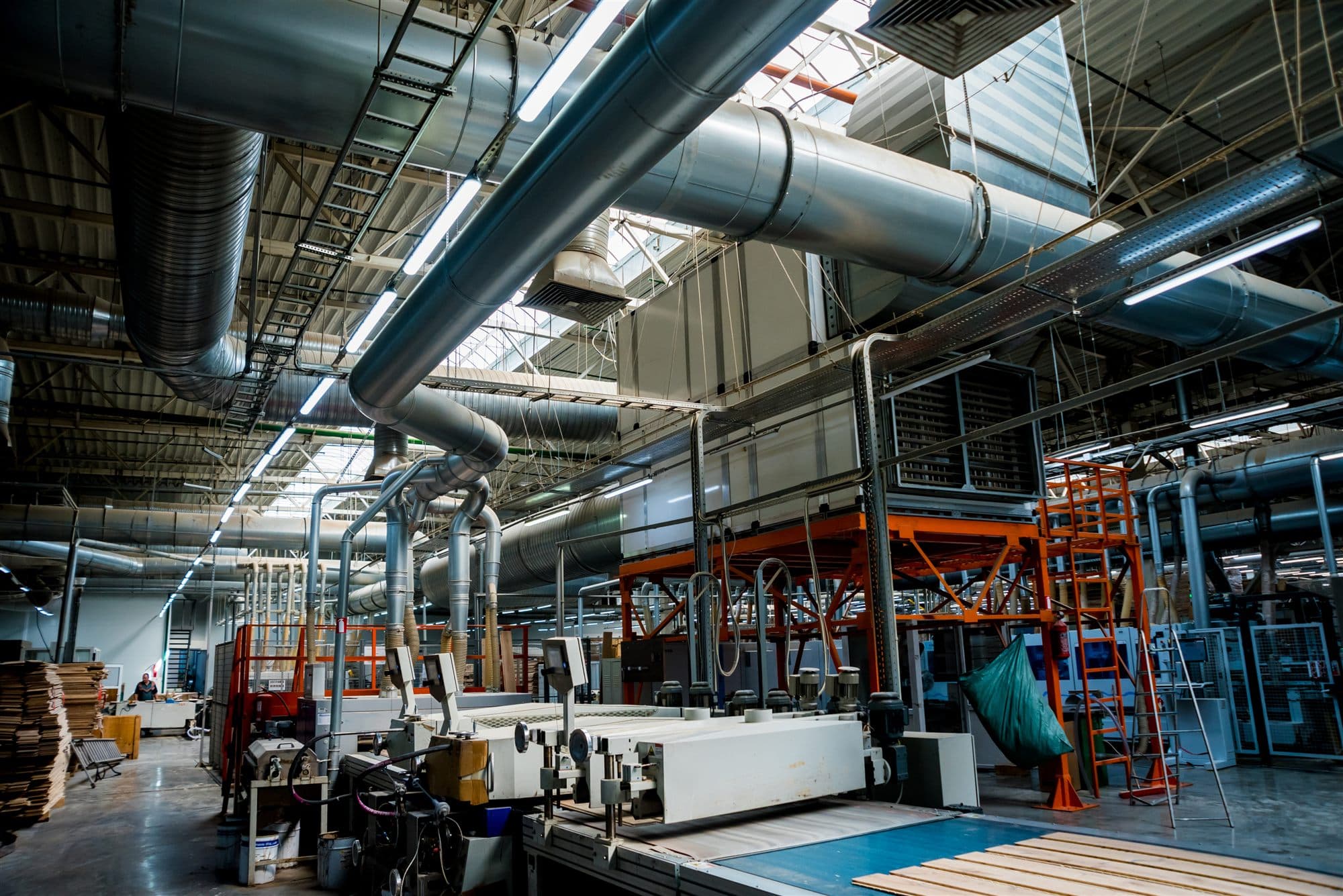
The firm that sent me in was a top-tier global private equity firm, and they’d bought this pharmaceutical manufacturing company at $100M of EBITDA. Six months after close, the trailing-twelve-month number had slid to $84M with a forecast pointing at $70M, and all of it traced back to a plant consolidation that had gone wrong.
The deal team was already on the phone with the workout group, which in private equity is about the loudest alarm bell there is. So I got deployed into the middle of it, a thousand-person factory running 85 production lines, and I ended up spending half my working life on that floor, with an advisor hired to keep working my plan on the days I couldn’t physically be there.
Now, when a factory is bleeding like that, everybody wants you to come out swinging on day one. I don’t, and here’s why.
If you invited me over and walked me down to your man cave, and I immediately started telling you the easy chair was in the wrong place and the TV should face the other way, I might even be right about the layout, but you’d never invite me back to your house again.
So the first stretch of this work was watching and listening. I toured the factory, pulled the machine running-time data, interviewed the supervisors one by one, and sat in focus groups with the techs who actually run the lines, because the data on its own usually doesn’t tell the story. The people on that floor knew exactly where the operation was losing its money, and they’d known for a long time. Nobody had asked them.
What they pointed us to was unglamorous: changeovers. In pharmaceutical packaging, a changeover is a big, careful, safety-critical event, because putting the wrong tablet in the wrong bottle can kill somebody. On this site, some changeovers were taking a full day. We streamlined the process, protected every step that keeps patients safe, and got those changeovers down to eight to ten hours, and on a packaging operation of that size, that single improvement moved the needle more than anything else we did.
You also can’t transform 85 lines at once, and we didn’t pretend we could. We took the six critical lines and made them dramatically better inside twelve to sixteen weeks, proved the concept in front of everybody who doubted it, and then scaled the same system across the rest of the site.
When your best people are miserable and your worst people are happy, you’ve found your culture problem.
And we did the whole thing without a single layoff, which people always assume is charity and never is. You raise the standard to what your best people will tolerate, the people who don’t want to work in a place with real standards self-select out, and you simply don’t backfill the seats. We fixed that condition on this site, and the people who stayed got a factory worth being proud of.
The factory flipped in about nine months. Because EBITDA reports on a trailing twelve months, it took fifteen months for the books to show the number back at par, and the head of the deal told me he had never seen a turnaround move that fast on an asset that had already been written down. Within the following year the business was earning $120M. The firm had paid $1.1B for the platform, and they sold it for $3.2B, which made 4.2 times their money on a $400M equity check.
All of that came from manufacturing excellence, from going to where the truth was and building the operating system around what the people on the floor had been trying to tell everyone all along.