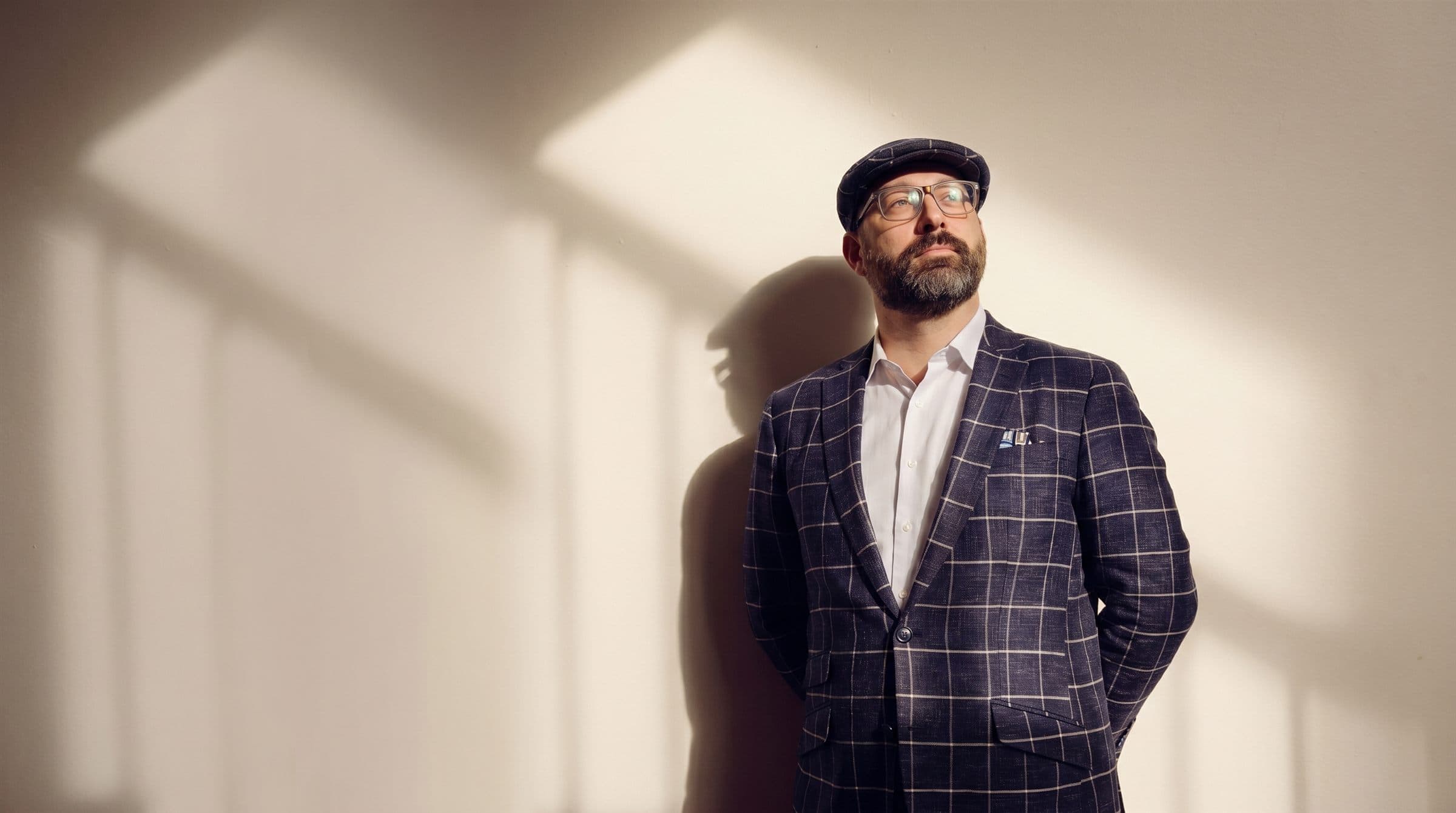
About Paul W. Swaney III.
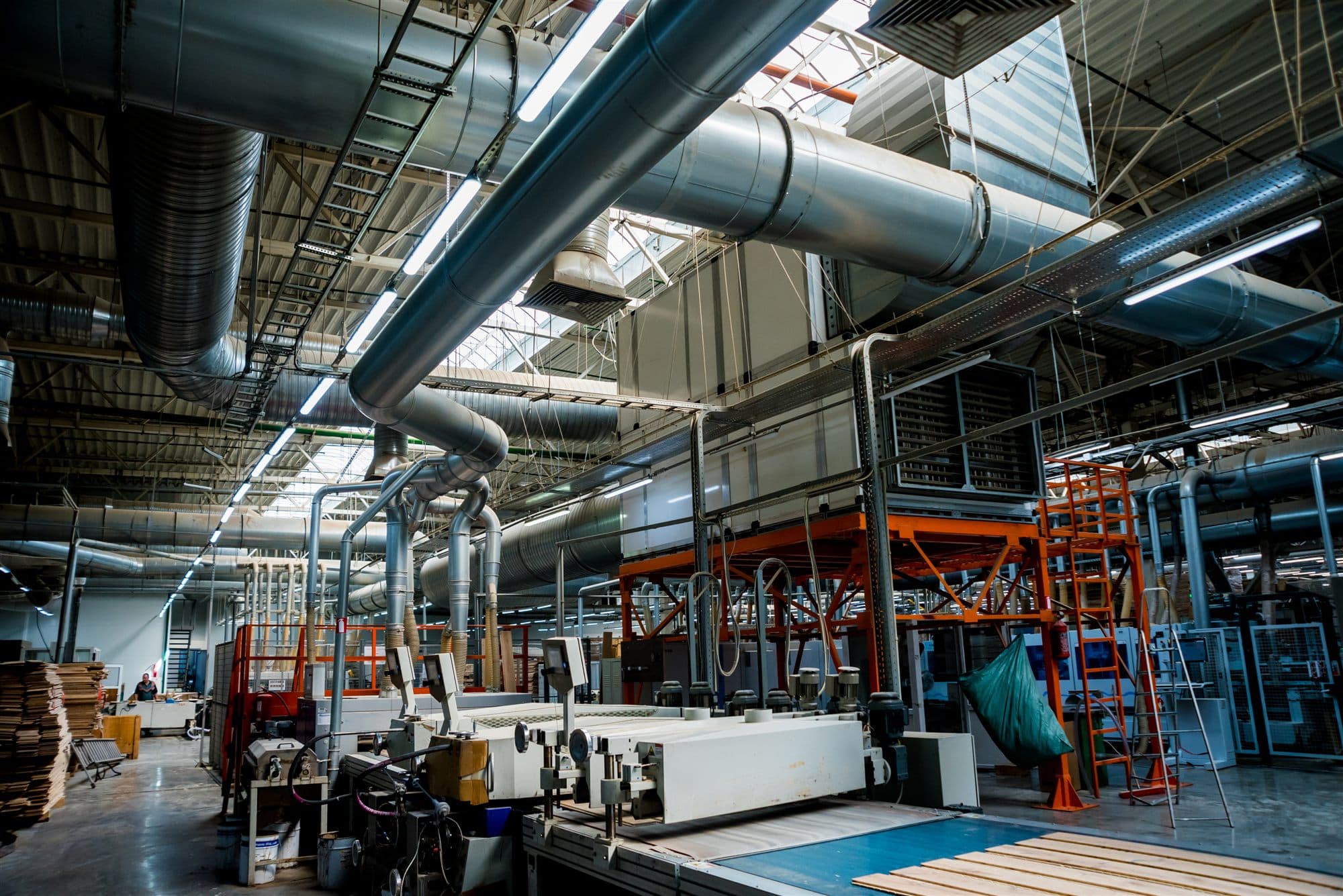
I was four years old, walking across the floor of a Black & Decker plant. I’ve never really left the factory floor since.
I’ve been a submarine reactor electrician and a refinery ops manager, and somehow ended up the least likely person McKinsey ever hired. From there I earned a seat on the investment committee of one of the world’s biggest private equity firms, and today I run my own firm. The thread through all of it is the same: I fix the things that make things.
The factory was the first home I knew
My father was a tool maker.
It started when my dad brought me with him to drop parts off from his machine shop when a line was down.
Since then, I’ve been a submarine reactor electrician and a refinery ops manager, and somehow ended up the least likely person McKinsey ever hired.
From there I earned a seat on the investment committee of one of the world’s biggest private equity firms, and today I run my own firm. The thread through all of it is the same: I fix the things that make things.
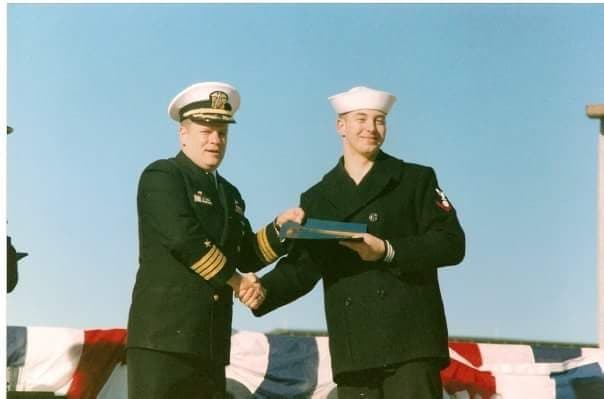
The Navy taught me to decide.
I joined out of high school and ended up inside a nuclear reactor.
I served as a reactor electrician on a submarine. You don’t get more high-stakes, lower-margin-for-error than a nuclear plant a few hundred feet underwater. I was in the shipyard on 9/11 prepping the plant to go back to sea.
The Navy trained me to make calls fast, with imperfect information, when freezing costs more than being a little wrong. I still run on that wiring, deciding quickly and adjusting just as quickly.
“I was, as I like to put it, trained on a nuclear reactor.”
Then I went where the hard plants were
Last Harry Potter novel
After the Navy I went to an oil refinery just outside Newark, then spent about a year at Amazon, where my claim to fame is shipping the last Harry Potter novel and the Kindle 2 for the 2009 holiday season. From there I took over a distressed construction-chemicals plant and tried to keep it alive through the 2008 crash.
That one nearly broke me, and it taught me more than anything before it. So I wrote a book about how to fix factories. I figured a few operators might read it.
McKinsey read it.
The least likely person in the room...
McKinsey hired me. I was their biggest, lowest-pedigree hire.
I didn’t have the pedigree. What I had was a book about actually running a plant, and partners who could sell a guy who’d done the thing instead of just diagramming it. I became “the global tablet press guy,” the one they sent when a pharmaceutical plant was in trouble.
One of those jobs took a packaging line from 17 to 50 percent of capacity in twelve weeks. They picked four of us out of roughly 800 first-year engagement managers to teach the rest how it was done.
A seat at the table, and a decision to leave it
A global private equity firm hired me to fix the plants it owned.
I joined one of the biggest private equity firms in the world as an operating partner. I was on the global investment committee from 2018 to 2022, and then integrated into the deal side at the end of 2020. I lived on planes. My record is 100,000 miles in about 10 weeks, walking portfolio plants on four continents.
The headline number from that era still follows me: a pharmaceutical asset I helped take from $84M to $120M in EBITDA, sold for $3.2B on a $400M check, a 4.2x return I’m genuinely proud of. But I noticed I was happiest in the plant with the operators, and least happy in the rooms where people talked about plants they’d never set foot in. So in 2022, I set out to do it my own way.
“I noticed I was happiest in the plant with the operators
What I'm doing now
I built Swaney Group Capital so I’d never have to leave the floor again.
Today I invest in and operate hard American manufacturing — the unglamorous, essential businesses that make real things. Right now I’m hands-on across a 16-site dental-lab platform; I visited 13 of the 16 sites in my first three months and rode along with the sales team before I changed a single thing.
“Thirty days, no changes. A plant is someone’s home— I earn the right to change it before I do.”
Four things I’d stake my career on. I have.
Machines are easy. People are the work.
“Machines talk to you. People don’t. They hide things.”
Every plant I’ve turned around was a people problem wearing a technical costume. Find the truth on the floor and the metrics follow.
This isn’t complicated.
“This is not complicated. You’ve got to make it simpler.”
The industry loves to dress simple problems in complicated language so it can charge for the translation. I do the opposite. Simpler is how things actually get fixed.
You lead from the floor, not the desk.
“A desk is a terrible place from which to view the world.”
I learned to run plants by walking them. The leaders who lose touch are the ones managing from a screen.
Speed beats size.
“It’s not the big that eat the small, it’s the fast that eat the slow.”
I read it on the submarine and never forgot it. I decide fast, move fast, fix fast. Twenty years of turnarounds, zero layoffs.

Boardroom by morning. Plant floor by afternoon.
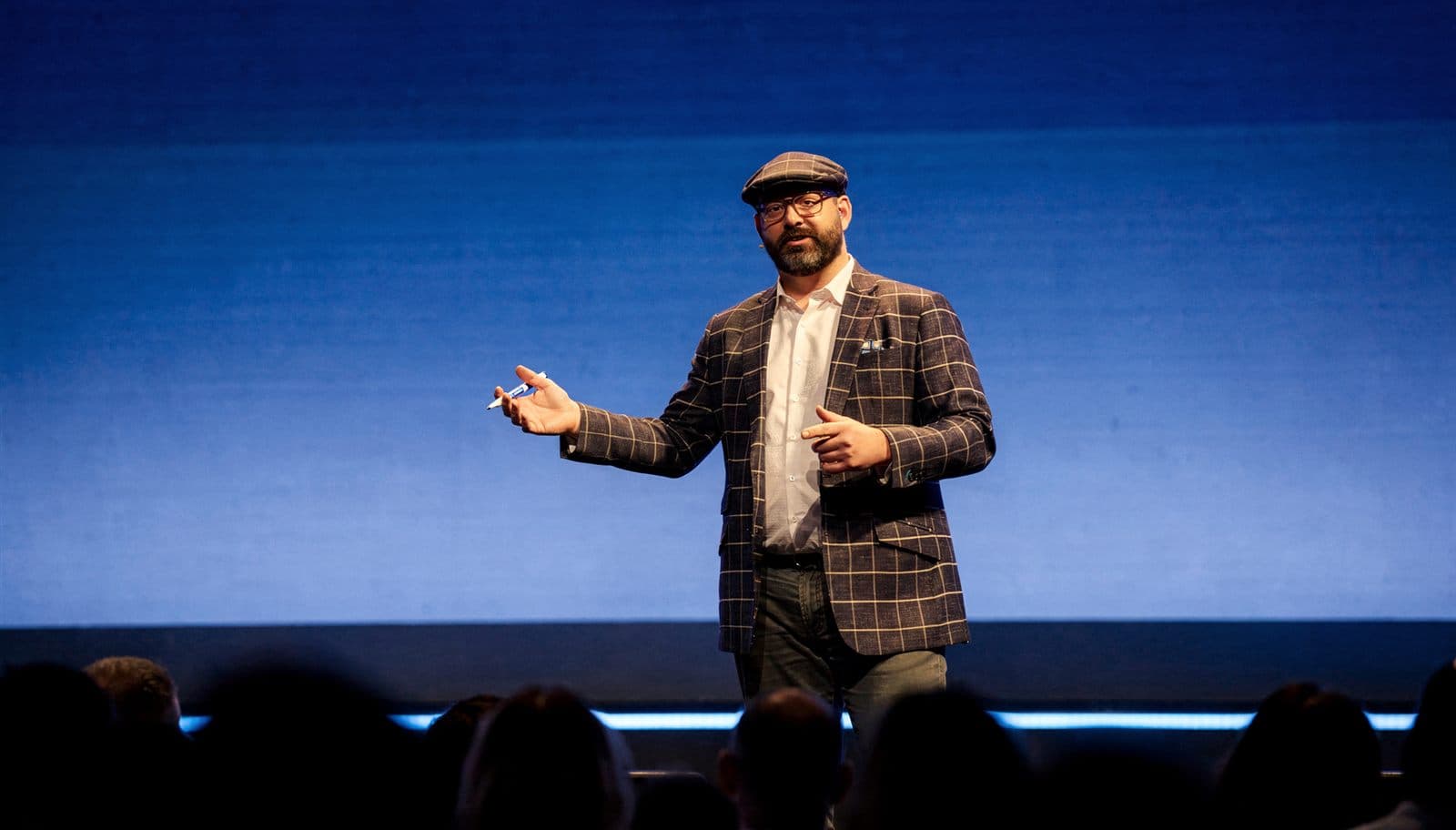
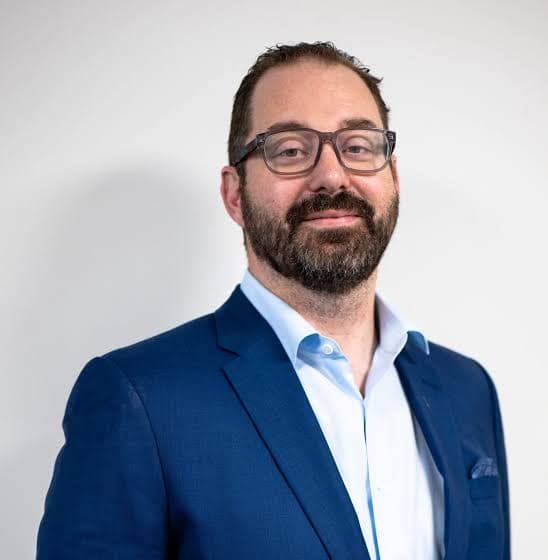
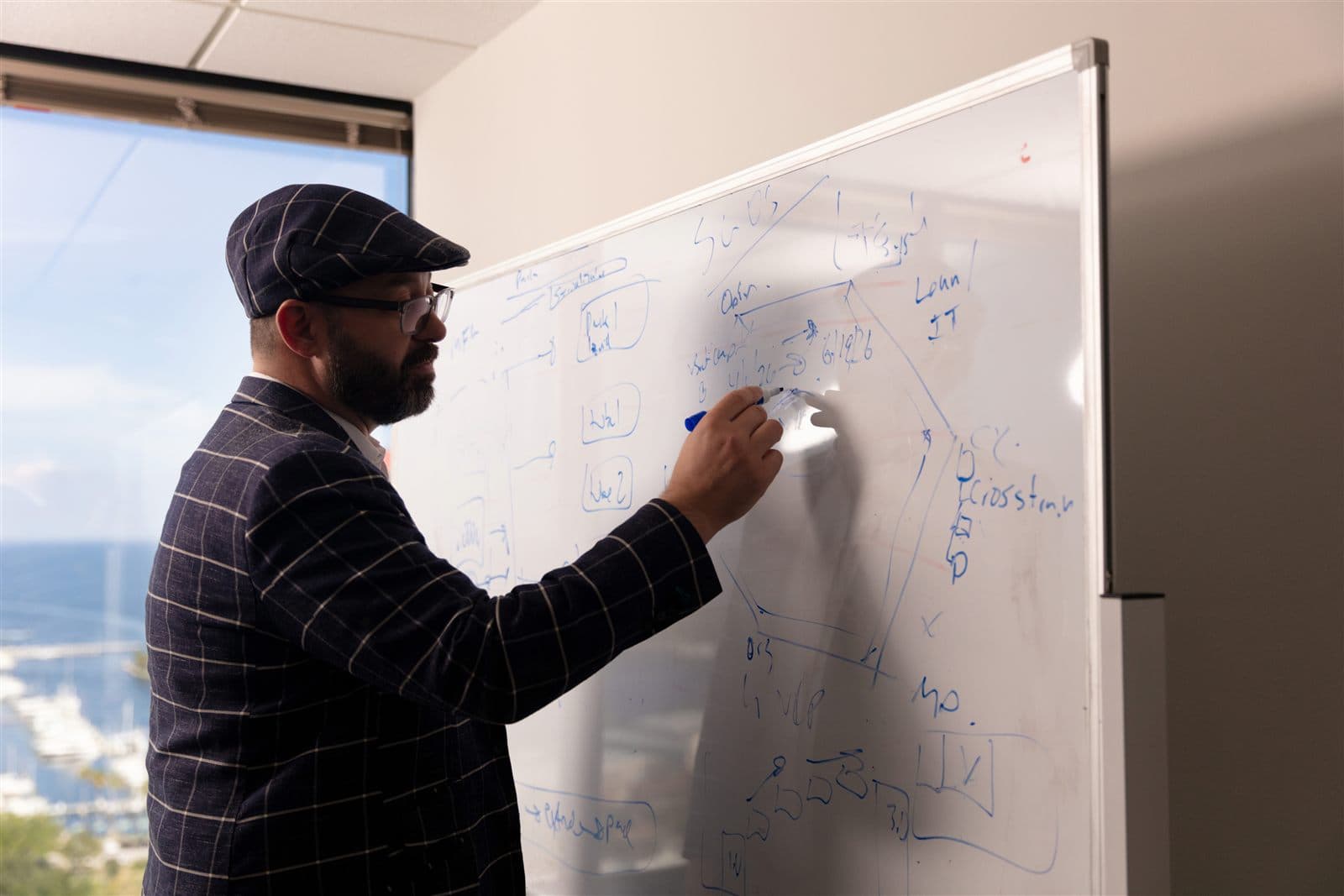
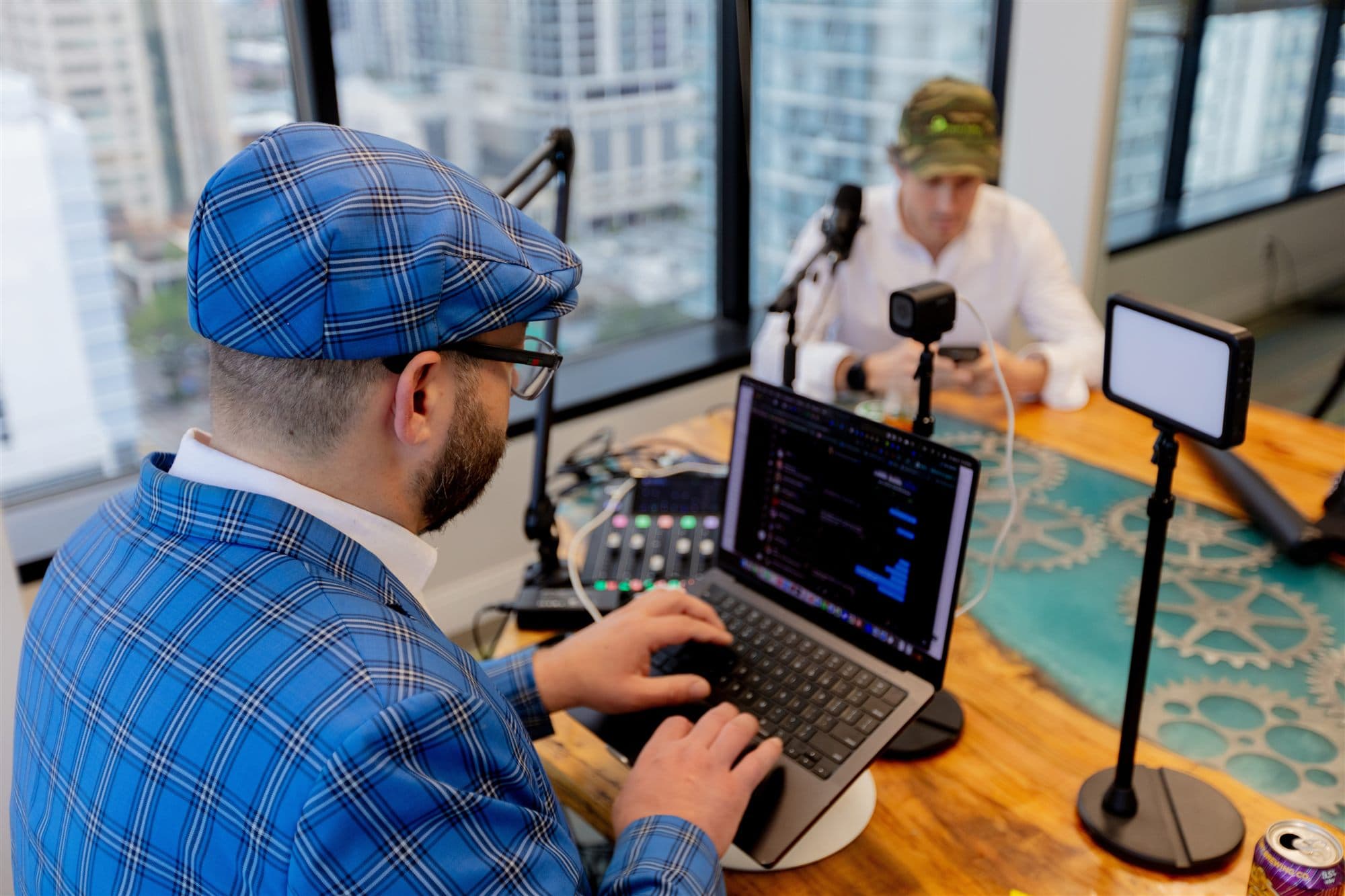
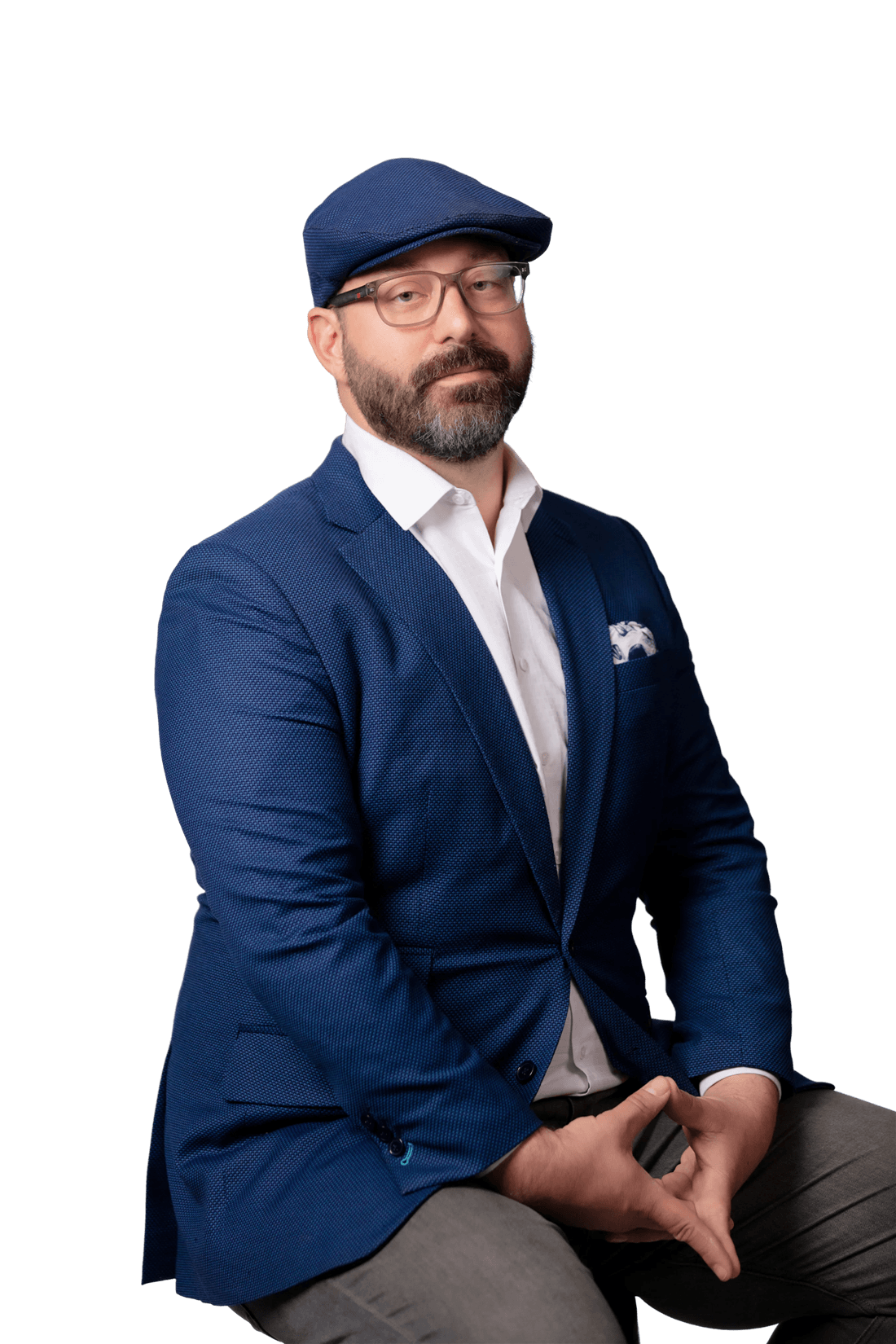
Somewhere along the way the operators started calling me Professor Swaney, and I lean into it. You’ll find me in one of my custom hats and a tailored jacket, with steel-toed boots and safety glasses in the bag, because I’ll be on a line by the afternoon.
It’s not a costume. It’s the honest combination of the two worlds I live in: the boardroom and the plant floor. I’ve never been comfortable pretending I only belong to one of them.
The work, by the numbers.
250
plants assessed
200 to 10,000
person operations led
20+ years
on the floor
15+
industries


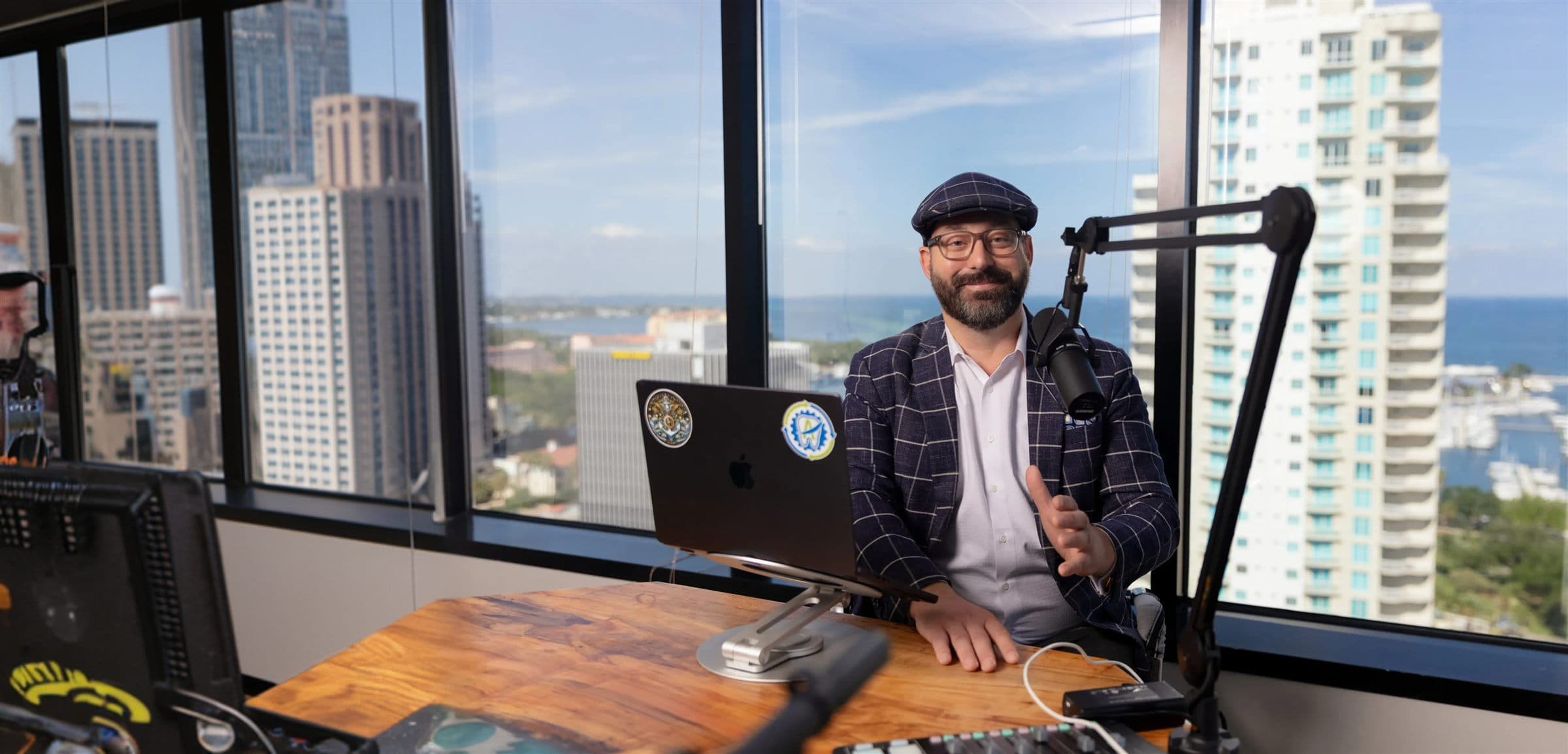
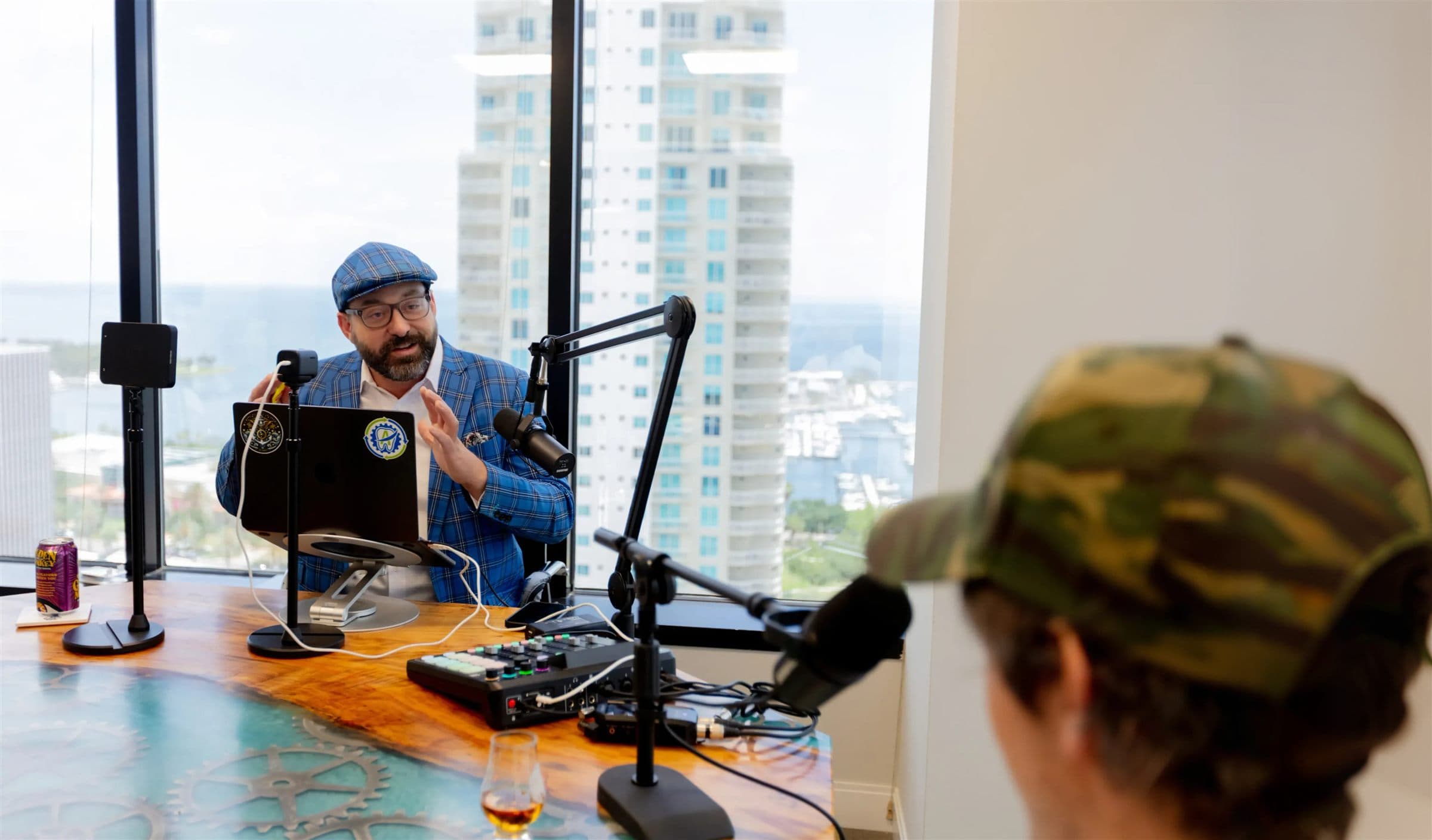
I’m an operator who got asked to talk about it. So I do.
I never set out to be a speaker. I set out to fix factories. But it turns out the lessons from the floor, about people, about truth, about speed, are the ones leaders most need to hear, and least often get from someone who’s actually lived them.
If that’s the kind of voice you want in the room, let’s talk.