17% to 50% of capacity, in twelve weeks.
The same machines and the same people, without a dollar of capital spend.
I was at McKinsey when this one happened, and the client, who the NDA won’t let me name, was one of the largest consumer-health companies in the world.
Some context on why work like this exists in pharma at all: pharmaceutical companies run some of the worst manufacturing operations you will ever see, and the reason is margin. When the gross margin on your product is fat enough, the factory never has to get good for the business to survive, so it never does. The car companies are excellent at manufacturing precisely because their margins force them to be.
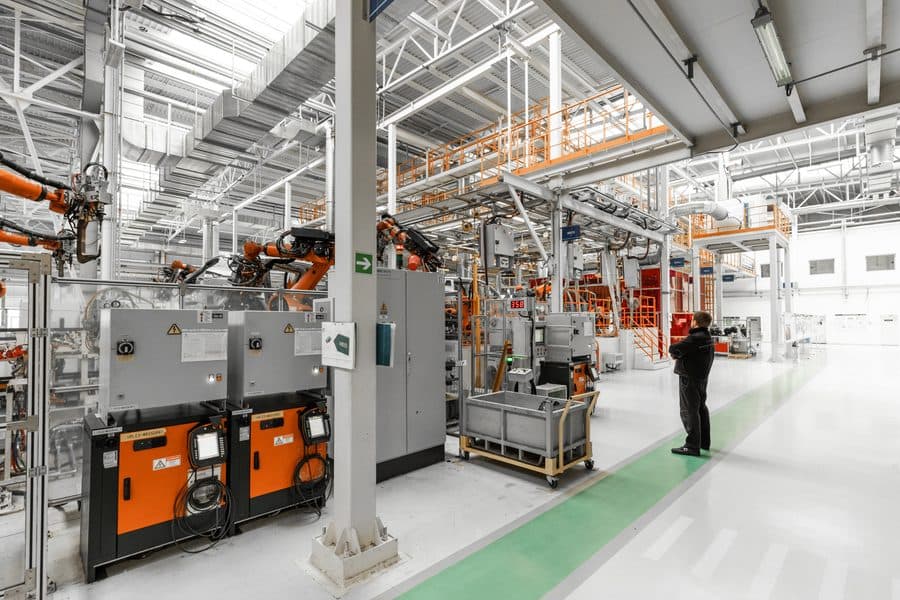
This client had a pharmaceutical packaging line running at 17% of design capacity, which means they had paid for a whole production line and were getting roughly a sixth of it. When a line performs like that, the reflex in most organizations is to spend their way out, on new equipment, on more headcount, on an army of consultants. I’ve watched that reflex fail too many times to count, because the constraint usually isn’t the iron.
So I did what I always do, which is get out of the conference room and go stand at the line. Toyota has an exercise where they put a new engineer in a chalk circle and have him watch a line run for an entire day, and I run my own version of it everywhere I go. I watched this line run, and I asked the operators what was getting in their way, and they told me, in detail, the way people always will when somebody finally takes them seriously. The gap between what the dashboards were reporting and what those operators already knew turned out to be the entire opportunity.
Twelve weeks later the line was running at 50% of design capacity, on the same machines, with the same crews, without a single capital request. In practical terms, going from 17 to 50 on existing equipment handed them the output of a free production line and a half, with no capex approval cycle and no eighteen-month equipment lead time, just capacity that had been trapped in the building the whole time.
That project followed me around for years afterward, in a good way. McKinsey sends its first-year engagement managers, about eight hundred of them, to a week of training at Cambridge, and that year I was one of four asked to stand up and speak in front of the whole crowd. This line was the reason.